
Denver Buzz guide
Getting Around Denver: Transit, Bikes and Parking
The best night out in Denver starts with knowing how you get home. A plain-English guide to light rail, buses, bikes and parking, built around evenings and weekends.
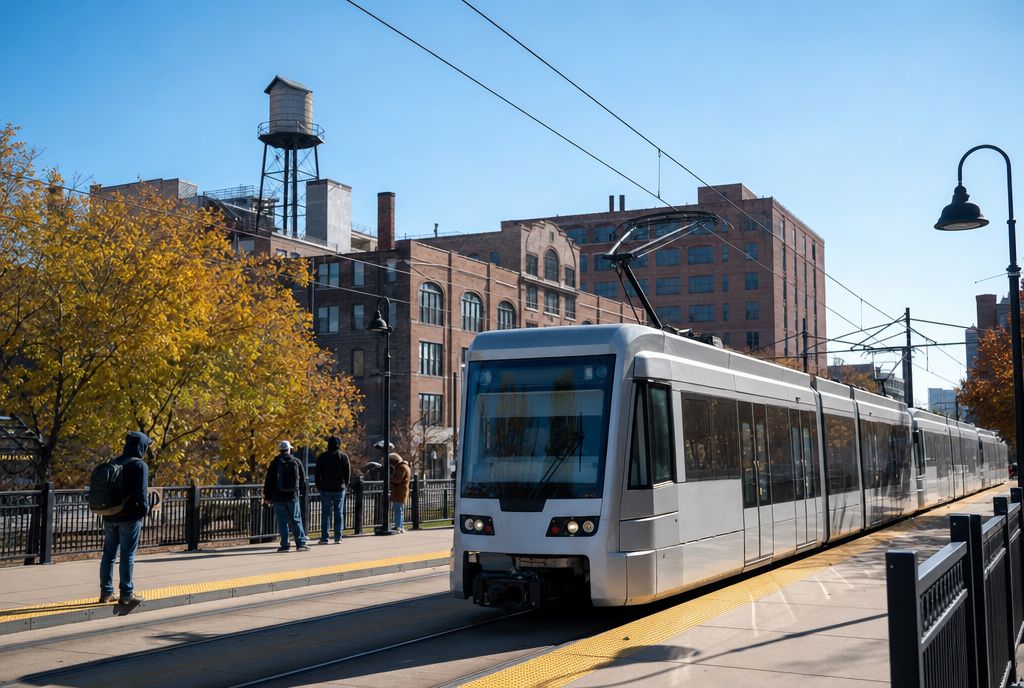
Match the trip to the right way of getting there
There is no single best way to get around Denver. There is a best way for a particular night. Answer three questions and the options re-rank themselves.
Trip matcher
Results update as you choose.
Light rail and trainWorks
Fast into and out of downtown and stadium areas. No parking, no designated driver. Check the last train home.
BusWorks
Covers the neighborhoods rail misses. Frequent on major streets, thinner late at night and on quieter routes.
Bike or scooterWorks
Trails and bike lanes link many districts. Great in daylight and good weather; lock up properly and add lights after dark.
On footWorks
The best way to work a single district. Most nightlife clusters are compact enough to cover without wheels.
Your own carWorks
Freedom for foothills and mountain trips. Costs add up downtown, and it rules out drinking for the driver.
Rideshare or taxiWorks
Door to door and the default for late nights. Prices spike after big events let out; walk a few blocks first.
The matcher is a rule of thumb, not a timetable. For an actual trip, check a live trip planner for your exact stops and time.
Learn the layout and the rest gets easier
Two facts make Denver addresses readable. Broadway is the dividing line between east and west street numbers, and Ellsworth Avenue divides north from south. So an address on "East" anything is east of Broadway, and the higher the number, the farther you are from it.
The second fact trips up nearly every newcomer: downtown sits on a diagonal grid. The streets in the core run at an angle to the north-south grid used across most of the city. Where the two grids meet, intersections get odd and one-way streets multiply. If your map app seems to send you in a strange direction near downtown, it is probably right.
Colfax Avenue runs east and west across the whole city and well beyond. Locals use it as a reference line, and "just off Colfax" narrows things down a lot. The Denver glossary covers more of these landmarks.
RTD buses and light rail, in plain English
Public transit across the metro area is run by RTD, the Regional Transportation District. It operates buses, light rail and commuter rail lines. For going out, three things matter: where the hubs are, how to pay, and when service stops.
The hubs
Union Station, at the edge of LoDo, is the main hub. Commuter rail, including the line to Denver International Airport, starts there, along with light rail and an underground bus concourse. Civic Center Station, at the other end of downtown, is the other major bus hub. Rail lines and many bus routes are named with letters or numbers, and the official trip planner on RTD's website will show you which one to use.
Paying the fare
You can pay through RTD's official mobile app, with a reloadable fare card, at ticket machines on rail platforms, or with cash on buses. Rail runs on proof of payment, so buy and activate before you board and keep the ticket handy for inspectors. Fares and passes have changed in recent years, and the airport trip costs more than a local ride. We do not list prices here because they go stale; check the fare page on the RTD site before you ride.
| Light rail and train | Bus | |
|---|---|---|
| Best for | Downtown, stadium districts, the airport, longer trips along a line | Neighborhood main streets and cross-town trips |
| Paying | Buy before boarding; proof of payment | Pay on board or show a mobile ticket |
| Bikes | Allowed on board | Front rack, limited spaces |
| Watch out for | Crowding right after big events | Thinner service late at night |
Where biking makes the most sense
Denver is a good biking city for a simple reason: it is mostly flat east of the foothills, and two long off-street trails meet in the middle of it. The Cherry Creek Trail and the South Platte River Trail come together near Confluence Park, just northwest of downtown, and connect to a wider network of paths and on-street bike lanes.
That makes a bike ideal for a daytime crawl between districts, or for getting to an early evening event close to a trail. It is less ideal at 1 a.m. after a few drinks, or when a summer storm is rolling in.
The tricky part: biking home after dark
The ride out is easy. The ride home is where plans fall apart: the temperature has dropped, your phone is low, and the trail that felt friendly at 5 p.m. is dark. Solve it before you leave. Front and rear lights, a layer in the bag, a charged phone, and a known fallback, such as putting the bike on a bus rack, cover nearly every version of this problem.
- Use a solid U-lock or a heavy chain, through the frame, to a fixed rack. Cable locks are easy to cut.
- Shared bikes and scooters come and go by provider. Check the app for where you can legally end a ride, especially downtown.
- The air is thinner here. If you are new to altitude, expect hills and headwinds to feel harder than the map suggests.
Parking without the ticket
Parking is where most visitors lose money in Denver, usually by not reading the sign. A few rules of thumb:
- Read the whole sign. Meter hours, time limits, street sweeping days and permit-only rules can all be on the same pole.
- Watch for residential permit zones. Neighborhoods next to busy districts often limit non-resident parking. The block that looks open is open for a reason.
- Expect event pricing. Lots near stadiums and the arena raise prices on game and show nights. Parking near a rail station and riding in can be cheaper and faster on the way out.
- Garages beat circling. Downtown garages cost more than the street but save the twenty minutes of looping that ruins the first hour.
- Snow changes things. After storms, plows and posted restrictions can affect where you can leave a car. Check the signs and the city's notices.
you are going to a game or a big arena show,
park at a rail station farther out and ride in, or plan on paying event rates.
you are visiting one neighborhood for dinner,
look for a garage or metered street a few blocks from the main strip, not on it.
you are heading to the foothills,
drive or carpool, and leave earlier than you think on weekend mornings.
Getting home after a late night
Late night is where Denver transport gets thin. Rail and bus frequencies drop, some routes end, and rideshare prices climb right when a big show lets out. Three habits fix most of it.
First, check your last trip home before you leave the house, and set a phone reminder thirty minutes before it. Second, if you are taking a rideshare after a crowded event, walk a few blocks away from the venue before requesting; pickup is faster and often cheaper. Third, if anyone in the group is drinking, settle who is driving, or that nobody is, at the start of the night.
Colorado treats impaired driving seriously, whether the cause is alcohol or cannabis. The night out basics guide covers the rules worth knowing.
Questions people ask
Can you get around Denver without a car?
For going out in and near downtown, yes. The core neighborhoods are walkable, buses and light rail cover a lot of ground, and the trail network makes biking practical. Trips to the foothills and mountains are where a car, or a ride from someone with one, becomes hard to avoid.
How do I pay for RTD buses and trains?
RTD sells fares through its official mobile app, reloadable fare cards and ticket machines at rail stations, and buses take cash. Prices and passes change, so check the current fare table on the RTD website before you ride. Trips to the airport cost more than a local ride.
Do I need a ticket before boarding light rail?
Yes. Rail uses a proof-of-payment system: buy and activate your fare before you board, and keep it ready to show if a fare inspector asks.
Can I bring a bike on the bus or train?
Buses have front-mounted bike racks and light rail cars allow bikes. Racks can fill up at busy times, so have a plan B on popular summer weekends.
How late does transit run in Denver?
It depends on the route and the day. Frequent daytime service thins out late at night and some routes stop altogether. Look up your last trip home in a trip planner before you head out.
The bottom line
Walk within a district, take rail between downtown and the stadiums, bike the trails in daylight, and drive only when you are heading for the hills. Decide how you are getting home before you go. Spotted something here that changed? Tell us.