
Denver Buzz guide
What's Happening in Denver: How to Find It
No single calendar catches everything. Here is how to combine the right sources, read listings like a regular, and plan around the way the Denver year actually moves.
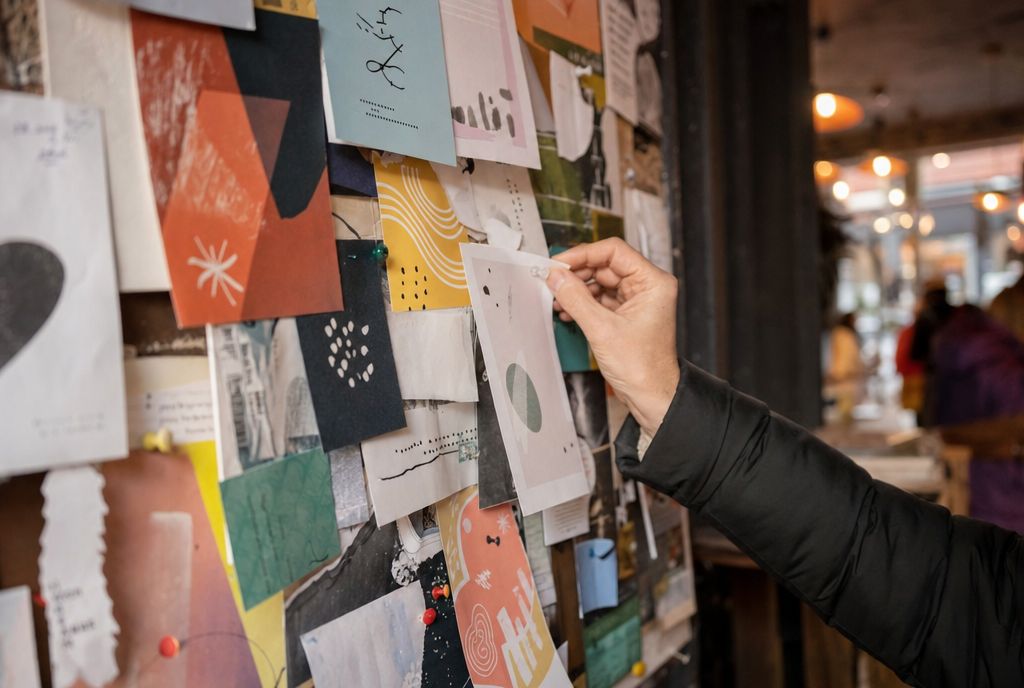
Why one calendar will always miss something
Every event source has a business model, and that model decides what shows up. Ticketing platforms list what they sell tickets for. Big city calendars favor events large enough for someone to submit them. Social feeds show you whatever the algorithm thinks you already like.
So the gallery opening in a converted warehouse, the free talk at a library branch, and the neighborhood block party all fall through the gaps. Not because they are small. Because nobody whose job it is to list them knew they existed.
The fix is not more apps. It is a short, repeatable habit that pulls from different kinds of sources, each covering a weak spot in the others. Ten minutes a week is plenty once it is set up.
The source types, and what each one catches
We sort Denver event sources into six types. You do not need all of them. Pick the ones that match what you actually go out for.
| Source type | Best for | Weak spot |
|---|---|---|
| Venue websites and newsletters | Concerts, comedy, theater; first word on new shows | Only covers that one room |
| City, parks and library calendars | Free programs, park events, talks, family activities | Plain presentation, easy to skim past |
| Arts district and business district calendars | Art walks, street fairs, district-wide nights | Updated unevenly; confirm details |
| Local media event roundups | Weekend picks, previews, context on what is worth it | Curated, so plenty is left out |
| Ticketing and event platforms | Searching by date, genre or venue | Paid and promoted listings rise to the top |
| Neighborhood channels and bulletin boards | Block parties, pop-ups, small local happenings | Hard to search, and quality varies |
Follow rooms, not just artists
The most useful habit we know: follow the four or five venues whose taste you trust. A good small club or theater books with a point of view. If you liked one show there, odds are you will like the next one, and their newsletter will tell you weeks before a listing site does.
Do not skip the public sources
Denver Parks and Recreation, the public library and the metro area's cultural facilities district all promote free and low-cost programming, and their calendars rarely trend on social media. The free and low-cost guide covers how to use them.
A listing on a big platform is not proof an event is still on. Small events get moved, renamed or canceled and the old page lingers. If the event matters to you, check the organizer's own page or social account on the day.
Build a ten-minute weekly scan
Pick a regular slot, say Wednesday evening, early enough to grab tickets for the weekend but late enough that plans have firmed up. Work through this list. Your progress is saved in this browser only.
you mostly go to concerts and comedy,
lead with venue newsletters and a ticketing app with alerts for artists you follow.
you want free things to do,
lead with library, parks and cultural district calendars, then district art walks.
you are new and do not know what you like yet,
start with local media roundups for two or three weeks and note which venues keep coming up.
you want to meet neighbors,
check neighborhood association channels and coffee shop bulletin boards near home.
The Denver year, month by month
We deliberately do not publish event dates; they change every year and stale dates are worse than none. What does repeat is the rhythm. Pick a month to see the usual weather, the kind of things that fill the calendar, and what to check before you go.
Month explorer
Use the arrow keys to move between months.
Deep winter
January
Cold mornings and occasional snow, often followed by sunny afternoons that melt the streets.
Indoor season. Theater, comedy, museum programs and library series carry the calendar. Weekend traffic toward the mountains is heavy.
Worth checking
- Theater and comedy seasons
- Museum and library winter programs
- Mountain traffic before any trip west
Three patterns that hold most years
Summer weekends are crowded with outdoor events, and big ones overlap. If two things you want land on the same Saturday, the one with timed tickets usually wins and the free street fair can be done in an hour the next day.
Spring is the least predictable season. A sunny forecast five days out means very little in March or April, so plan outdoor events with an indoor fallback.
Fall is when arts organizations open their seasons. Subscriptions and early tickets tend to go on sale in late summer, so August is when to look if a theater or orchestra season interests you.
How to read an event listing like a regular
Most disappointing nights out trace back to one detail in the listing that nobody read. These are the ones that matter most:
- Doors versus show. The listed time is often when doors open. Openers follow, and the headliner can be well after that.
- Age policy. "All ages," "18+" and "21+" are enforced at the door with ID. Bring a physical, valid ID; see the night out basics for what counts.
- Fees. The face value is rarely the final price. Check the total before you commit, especially for several tickets.
- Bag rules. Larger venues often limit bag size or require clear bags. Read the policy page before you leave home.
- Reservation required. Free events sometimes cap attendance. "Free, RSVP required" means turning up without one can mean turning around.
- Weather clause. Outdoor events usually pause for lightning. Check the event's rain or shine policy.
Before you leave, look up the last train or bus that gets you home. Late-night service is thinner than daytime, and finding that out at midnight is the classic Denver mistake. The getting around guide walks through it.
Questions people ask
What is the single best place to find events in Denver?
There is not one. Big aggregators catch ticketed shows and large festivals, but they miss gallery openings, library talks and neighborhood events. A short weekly scan of four or five source types beats any single site.
How far ahead do Denver events sell out?
It varies too much to give one number. Small club shows and free events are often fine to decide on the day. Popular touring acts at large venues and well-known summer concerts can sell out shortly after tickets go on sale, so follow the venue and sign up for its list if you care about a specific act.
Are free events in Denver really free?
Usually the entry is free, but read the fine print. Some ask you to reserve a spot in advance, some charge for parking, and some free museum days still require a timed ticket. "Free" also does not always mean "uncrowded".
What does "doors" mean on a show listing?
Doors is when the venue lets people in. The opening act usually starts later, and the headliner later still. If you only want the main act, the venue can often tell you a rough set time on the day.
Is it worth buying resale tickets for a sold-out show?
Only from the official resale option the venue or primary seller points you to. Screenshots, social media sellers and unofficial sites carry real risk of fake or duplicated tickets.
The bottom line
Follow a handful of venues you trust, add the free public calendars, and spend ten minutes a week on the scan above. You will hear about most things before they sell out, and you will find the free ones nobody else mentions. Know something we should add? Send us a tip.